Teaching Tooth Brushing to a Child With Sensory Sensitivities
Why brushing teeth can feel overwhelming for autistic kids, and gentle, practical ways to make it more predictable and comfortable.
By Tim West & Jenny West2 min read
Tooth brushing is one of the most common daily battles we hear about from other parents. It makes sense: the brush feels scratchy, toothpaste can taste strong or foam unexpectedly, and someone else’s hands near your mouth can feel like a lot.
Figure out which part is hard
Brushing is really several small experiences stacked together. Watch for which one causes the most distress. Is it the bristles, the flavor, the foam, the sound of the water, or the length of time? Once you know, you can change that one thing instead of fighting the whole routine.
Small swaps that often help
- Try an extra-soft or silicone brush.
- Use an unflavored or mild, low-foam toothpaste.
- Start with just a smear of toothpaste, or none at all at first.
- Use a sand timer or a short song so your child knows exactly when it ends.
- Let your child hold the brush first, with you finishing up afterward.
Show every step
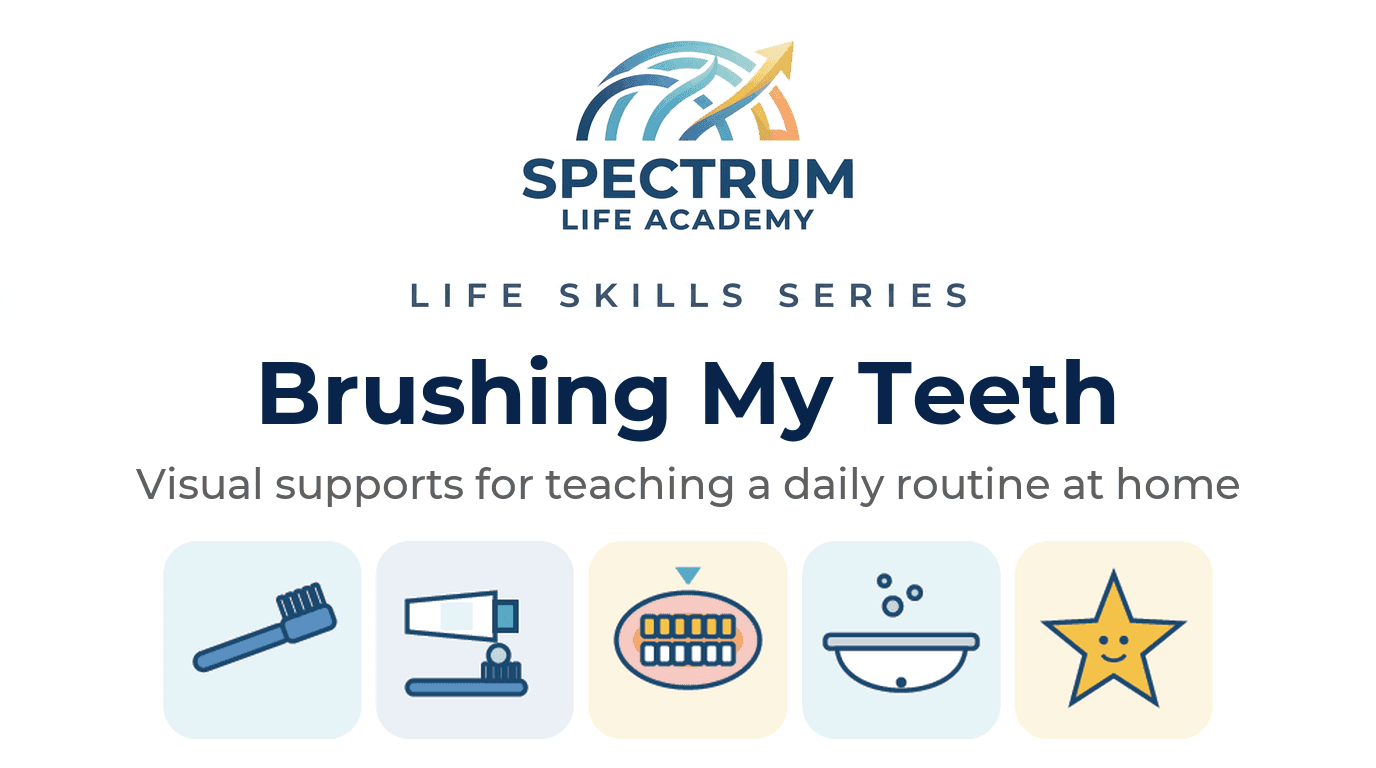
A picture sequence (get the brush, add toothpaste, brush top teeth, brush bottom teeth, spit, rinse) makes the routine predictable. Knowing what comes next, and that there is a clear end, makes it easier to get through the uncomfortable parts.
Keep the bar low and celebrate
Ten seconds of calm brushing is a win worth celebrating. Build the time up slowly. If brushing stays very distressing or you have concerns about your child’s dental health, talk with your dentist or pediatrician about extra support.